So, you’re thinking about a metal pole barn for your property here in Marana. Maybe it’s for extra storage, a workshop, or a spot to park that RV out of the blazing sun. Good call! They’re tough, super versatile, and can really boost your property’s value. But for a lot of folks, the big question is, “Can I actually build this myself?”
The short answer? Some of it, absolutely. All of it? Probably not, unless you’ve got a crew and some serious construction chops. Let’s break down what you need to know before, during, and after the project. We’ll also figure out where that line is between a DIY job and calling in a team like Marana Metal Buildings.
Before You Even Dig a Hole
This is where you can do a ton of work yourself, and honestly, you really should. Planning makes all the difference.
- Permits, Permits, Permits: This isn't optional, folks. You'll need to check with Pima County Development Services and probably the Town of Marana for zoning and building permits. Don't skip this step. Building without one is a headache you definitely don't want. They’ll tell you about setbacks, height rules, and what kind of foundation drawings you need.
- Site Selection & Prep: Where exactly will it go? Think about drainage. We get those monsoon downpours, and you don’t want your new barn sitting in a pond, right? Also, consider access for construction and how you’ll use it later. Will you need to clear brush, level the ground, or bring in some fill dirt? This is often a DIY job if you’ve got the equipment or can rent it. Just remember, our desert soil can be tricky – sometimes you hit caliche that’s hard as concrete.
- Kit or Custom? Most homeowners tackling this themselves will pick a pre-engineered pole barn kit. They come with all the pieces cut to size and detailed instructions. This saves a huge amount of time compared to finding every piece of steel and wood yourself. Do your research on different kits, compare prices, and see what’s included.
- Foundation Design: Even for a pole barn, you need a solid base. This usually means concrete footings for the poles and often a concrete slab floor. While you might pour the slab yourself, getting the engineering right for the footings and the whole structure is crucial. This is usually where you’ll need stamped plans from an engineer, which isn't really a DIY step.
During Construction: Where DIY Gets Tricky
Once your permits are in hand and your kit arrives, the real work starts. Some parts are definitely within reach for a handy homeowner, but others are best left to folks with specialized tools and experience.
- Setting the Poles: This is the backbone of your pole barn. Those poles need to be plumb (perfectly vertical), square, and set at the right depth and spacing. You’ll need an auger (a big one, often rented) to dig the holes and a way to hold those heavy poles perfectly upright while you backfill and pour concrete. It’s doable, especially with a few strong friends, but precision is key. If your poles are off, your whole building will be off.
- Framing the Roof & Walls: With a kit, the trusses and girts (those horizontal pieces connecting the poles) are usually pre-cut. Putting up trusses, especially bigger ones, requires lifting equipment (like a telehandler or crane) and a crew that knows about safety. This is often when homeowners realize they’re in over their heads. It’s heavy, it’s high up, and it’s dangerous if you don’t know what you’re doing.
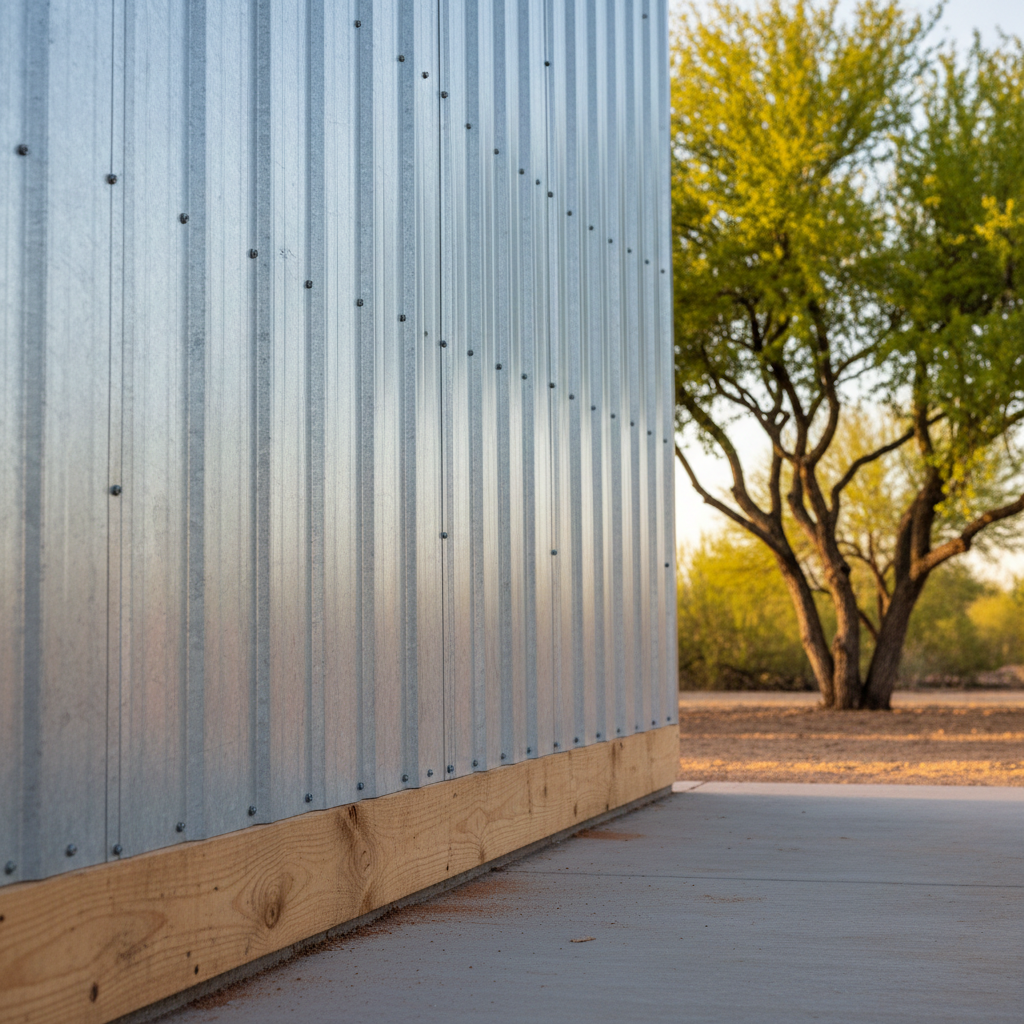
- Sheeting: Putting up the metal panels for the roof and walls? That’s generally a DIY-friendly task. You’ll need a good screw gun, tin snips, and a whole lot of patience. Make sure you overlap correctly and seal everything up tight, especially the roof. We get some serious wind out here, so those panels need to be secured properly.
- Doors & Windows: Installing walk-through doors, roll-up doors, and windows is also something a capable DIYer can handle. Just follow the kit instructions carefully for framing and sealing.
Honestly, for the heavy lifting and structural integrity – setting poles perfectly, erecting trusses safely – that’s often when people give us a call. It’s not just about strength; it’s about having the right equipment and the know-how to do it efficiently and safely. A mistake here can compromise the whole building.
After It’s Built: Finishing Touches & Maintenance
Once the main structure is up, you’re mostly back in DIY territory.
- Electrical & Plumbing: Unless you’re a licensed electrician or plumber, you’ll need pros for this. It’s not just about getting it to work; it’s about safety and meeting code.
- Insulation & Interior Finishing: This is all you! Adding insulation, framing out interior walls, pouring a concrete floor if you didn’t do it earlier – these are great weekend projects.
- Landscaping & Drainage: Make sure water flows away from your new barn. You might want to add gravel around the base or create swales.
- Regular Checks: Keep an eye on your barn. Check for loose screws on the sheeting, make sure gutters (if you added them) are clear, and inspect for any signs of wear. Our intense sun can be tough on sealants over time.
Building a pole barn is a really rewarding project, and you can definitely save money by doing a lot of the work yourself. Just be honest about your skills, what tools you have, and how comfortable you are with heights and heavy materials. For the really critical structural stuff, don’t hesitate to get a professional opinion or even just have us handle that part of the build. It’ll give you confidence, and you’ll know your investment is sound.